
ANCHOR – Adaptation and Negotiation of Climate Change through Human behavior, On-ground resilience, and Responsibility
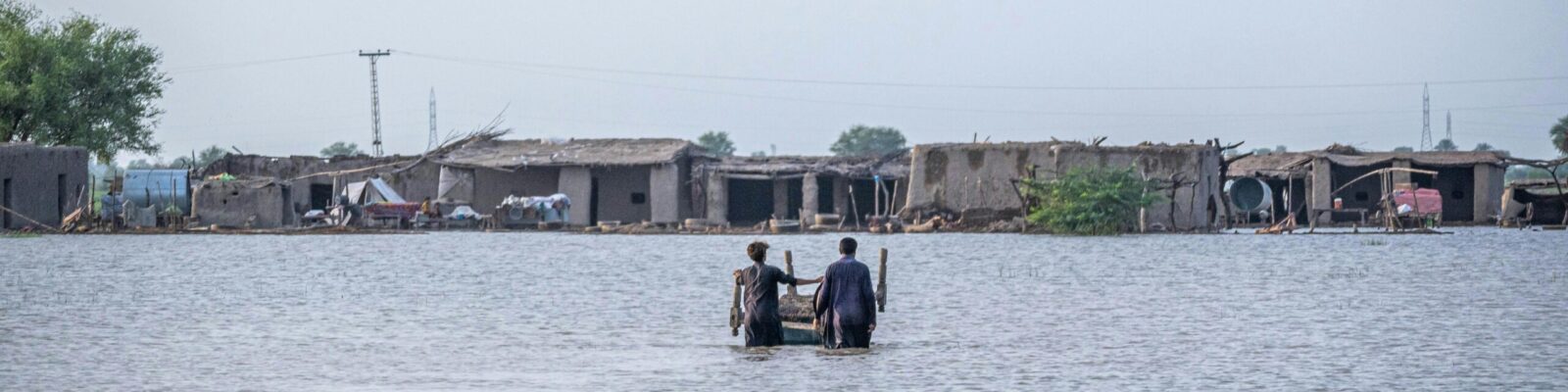
 ANCHOR introduces the concept of ‘tethered resilience’ (hereafter TR) (Mallick et al., 2025), which refers to adaptive practices bound by obligations and attachments across generations. It moves beyond traditional resilience research that emphasizes adaptive capacities, i.e., how systems “bounce back” or “bounce forward” in the face of shocks (Adger, 2003). Yet, new scholarship highlights the concept of TR, which refers to adaptive practices that are “tethered” to structural constraints (e.g., socioeconomic inequalities, institutional limitations), cultural attachments (e.g., place attachment, traditions), or intergenerational responsibilities (Mallick et al., 2025). This view complicates the resilience and PEB discourse: people adapt not in abstract terms but in bounded environments where obligations, histories, and identities shape their livelihood choices. While TR emphasizes the constraints and obligations shaping adaptation, PEB emphasizes agency and choice in reducing environmental harm. The intersection between these two is strikingly underexplored. Key questions aimed at answering under ANCHOR are:
- How do structural “tethers” shape whether PEB is enacted or abandoned under climate stress?
- Do intergenerational obligations reinforce or undermine sustainable choices
- Can TR act as a catalyst for sustained PEB, or does it hinder long-term transformation?